The secrets to getting fit after 60
You can stay strong and active longer than you might think — as long as you understand what your body needs. These tips will get you started.
The information in this article is for educational purposes only and is not intended to replace medical advice from your doctor.
Being fit might seem like a young person’s thing. But it’s important to stay active no matter your age. After all, remaining limber and strong is key to enjoying everything that makes this chapter of life so fulfilling. That may include travel, gardening, keeping up with grandkids, and more.
So what’s the best way to exercise when you’re over 60? We looked into the latest science to find out. The keys: It should be safe. You should be able to do it regularly. And it should involve activities you like to do.
Remember, it’s always best to speak with your doctor before trying anything new. With their okay, follow these secrets to getting — and staying — fit later in life.
1. Strength and balance work together
Falling becomes more of a concern the older people get. That’s why improving strength and balance are so important as you age. Strength training can build up the muscles needed for balance. That helps reduce the risk of falls.
“Building strength is the most important factor when it comes to a movement program for older people,” says Emily Light, a certified yoga therapist and nutritionist in Portland, Oregon. “And that includes the strength and coordination needed for balance.”
Increasing strength may also help relieve tense muscles and improve flexibility. “Most folks think stretching is what’s needed for tight muscles, but it’s often strength that the body is asking for,” Light says.
Get care between doctor visits without leaving home.
Book your no-cost home visit today.
8 a.m. to 11 p.m. ET M–F; 9 a.m. to 5 p.m. ET Sat. (TTY: 711)
2. Weight-bearing exercise preserves bones
The health of your bones may not have been something you focused on when you were younger and building up to your peak bone mass. But as you get older, bone loss begins. Preserving strong bones is crucial for older people.
Why? About 13% of Americans ages 50 and older have osteoporosis. And about 43% have low bone mass, according to the Centers for Disease Control and Prevention.
Weight-bearing exercise is one of the best ways to combat bone loss as you age. This type of exercise doesn’t just mean lifting weights (such as dumbbells). It’s any type of activity you do on your feet with your weight supported by your bones.
For example, digging in the garden counts. So do many other everyday activities. You may be able to include things you already love doing. Talk to your doctor or a trainer. They can help you maximize the fitness benefits of your daily tasks.
3. Friends make fitness fun
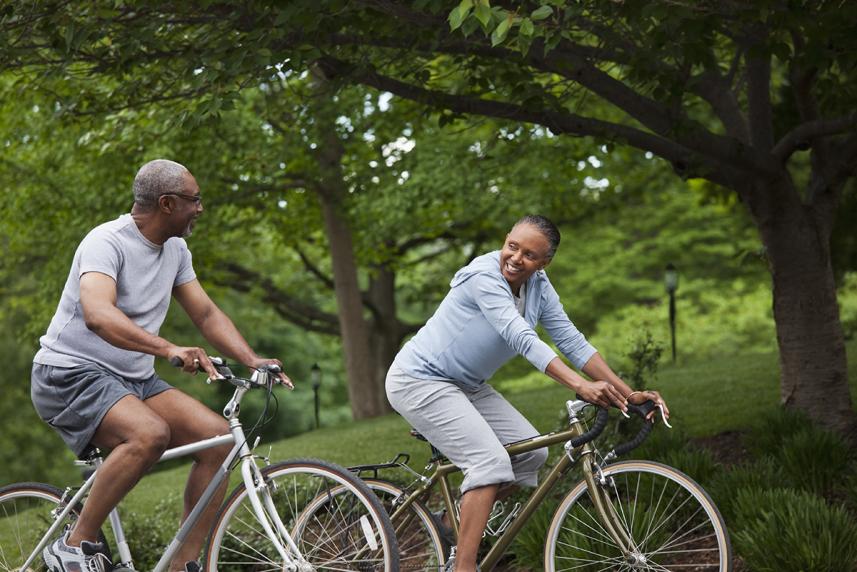
Need motivation to get your heart pumping? Find a workout buddy. Exercising with a friend (or grandkid) can turn a to-do into something to look forward to.
It also provides an opportunity to socialize. Social connections are good for your health, especially when you’re feeling lonely. Connecting with others can boost your mood and self-esteem.
Plus, you’re less likely to skip a workout when you know another person is counting on you. You can keep each other accountable.
4. Rest days make you stronger
It may seem strange, but taking time off between workouts actually helps build strength. When you exercise, it creates tiny tears in your muscles. Resting lets your body heal those tears — and grow in the process.
Overexercising does the opposite. It strains the muscles. That increases your risk of injury. Rest days also allow your body to replenish glycogen. These are carbohydrates stored in muscles that give you energy during workouts.
5. The right eats can give you energy
Like any machine, your body performs best when it has fuel. Certain foods can set you up for success. Two hours before exercising, follow these steps, according to the American Heart Association:
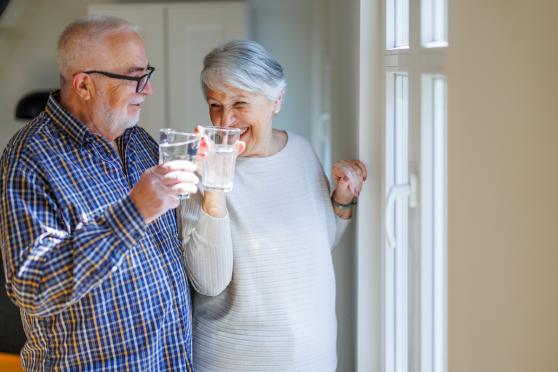
- Drink plenty of water so that you’re hydrated.
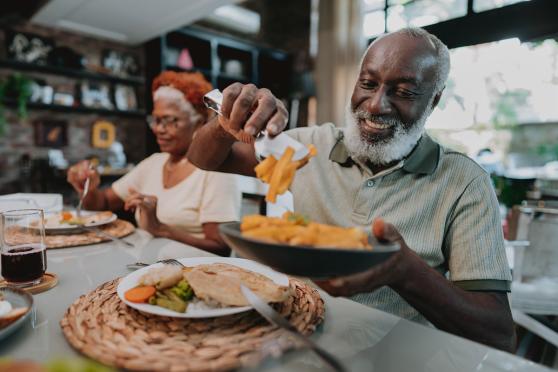
- Eat healthy carbs. These include oatmeal, brown rice, and whole wheat toast, along with fruits and vegetables.
- Avoid high-protein foods. They take a while to digest, and you’ll need that energy during your workout.
Ready to up your fitness game? Strengthening muscles and bones can help older adults stay active for years. Check in with your health care provider, then get moving.
See our sources:
Osteoporosis or low bone mass in older adults: Centers for Disease Control and Prevention
Food as fuel before, during, and after workouts: American Heart Association
Exercise and bone health: American Academy of Orthopaedic Surgeons: OrthoInfo
How older adults can get started with exercise: National Institute on Aging